

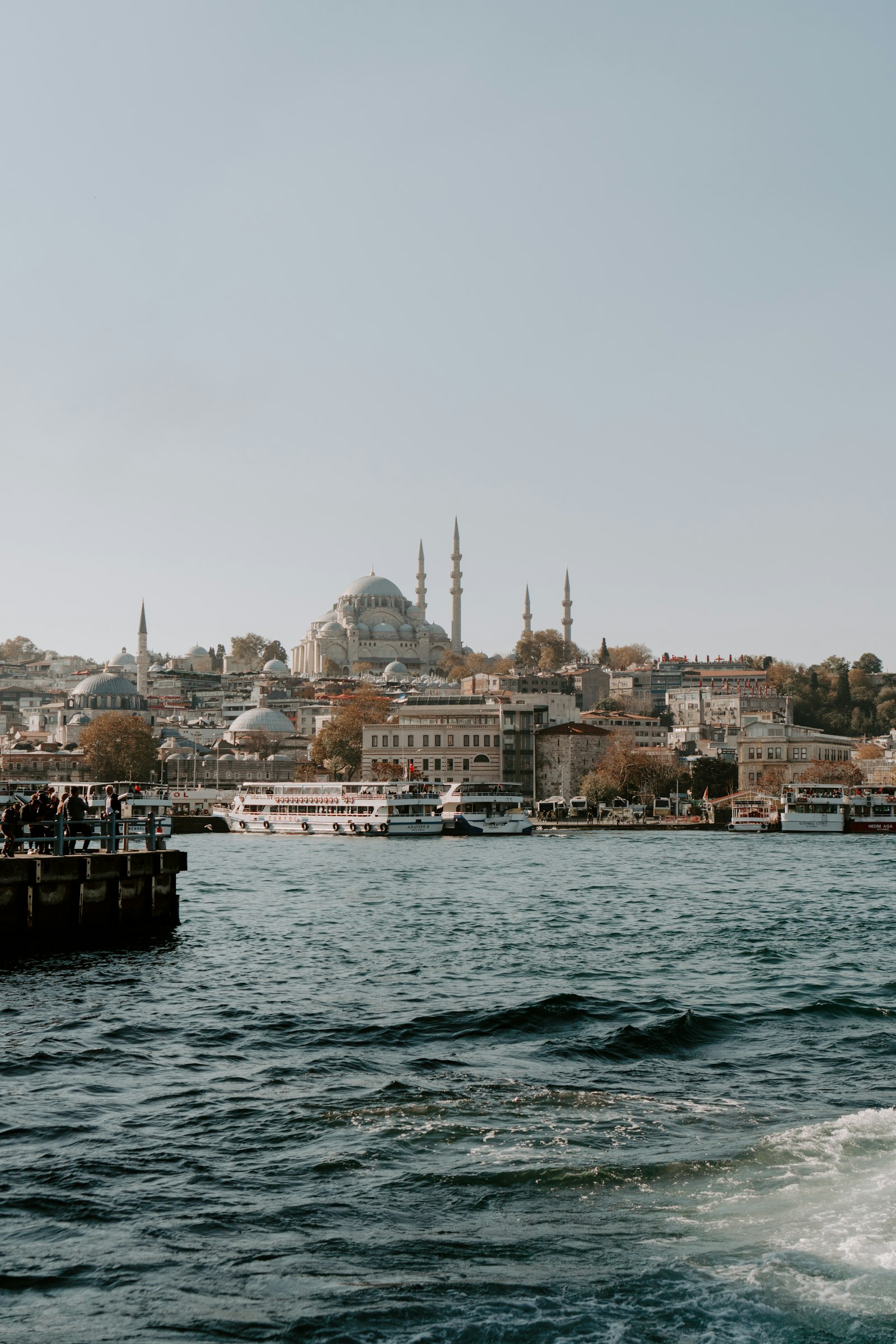
Istanbul Property for Sale: A District-by-District Guide for Foreign Buyers
Istanbul is not one property market. It is dozens of them, spread across two continents and thirty-nine districts, and the difference between a good purchase and a difficult one is usually decided before you ever see a listing. This guide explains how the city is structured, what changed at the tapu in 2026, and how to narrow the whole of Istanbul down to a shortlist you can realistically view.
Istanbul is a collection of markets, not one market
Most people searching for Istanbul property for sale begin with a price and a city, and that is the wrong way round. A budget that buys a compact apartment in a central European-side district will buy something considerably larger an hour away on the Asian side, and a figure that looks generous for a resale flat in an established neighbourhood will not go far at all in a branded residence tower. None of that is a bargain or a rip-off. It is simply that Istanbul contains at least four distinct property markets that happen to share a name.
The first is the central business spine on the European side, running roughly from Levent and Maslak down through Şişli and Nişantaşı. This is where the office towers, the international schools and the highest-specification new residential projects cluster. It is the most liquid part of the city for resale and the easiest to let to corporate tenants, and it prices accordingly.
The second is the waterfront and the near-Bosphorus neighbourhoods — Beşiktaş, Ortaköy, Bebek, Arnavutköy on the European shore, Kuzguncuk and Kandilli on the Asian — where supply is genuinely finite and where the premium is for the view and the address rather than for the specification.
The third is the established Asian-side residential belt: Kadıköy, Ateşehir, and the long run of Bağdat Caddesi. This is where a large part of Istanbul’s professional population actually lives, and it behaves much more like a normal domestic housing market than the towers do.
The fourth is the outer growth corridor — Başakşehir, Bahçeşehir, Beylikdüzü, and the belt around the newer transport links. Here you are buying space and newness rather than centrality, and the buildings are overwhelmingly post-code modern construction, which matters more than it sounds.
There is also a distinction that cuts across all four markets and matters more in Istanbul than almost anywhere else in Turkey: the age of the building. A very large share of the city’s housing stock was built before the current earthquake design standards, and the cost of that difference is not always visible in the asking price. Our guide to building age and Turkish earthquake codes sets out how to establish when a block was actually constructed and what the answer implies.
Istanbul at a Glance
The fixed points of any purchase in the city
Buying in Istanbul, step by step
The mechanics are the same anywhere in Turkey. What changes in Istanbul is the volume of choice at the start and the depth of checking required in the middle.
Narrow the city before you narrow the listing
Decide side, then district, then building type — in that order. Buyers who start from listings end up with a shortlist scattered across an hour of traffic and no basis for comparing anything. If you are torn between the city and the coast, our comparison of the best places to live in Turkey is a useful first filter.
Get a Turkish tax number and a local bank account
Both are prerequisites rather than conveniences. The tax number identifies you in every subsequent filing, and a Turkish account is how utilities, service charges and tax payments are actually settled once you own the property. Arrange them early, because doing it under time pressure during a viewing trip is how mistakes get made.
Run the title, annotation and permit checks
This is the step that separates a smooth Istanbul purchase from a bad one. The title deed record shows the owner, but the annotations page shows the mortgages, liens, disputes and restrictions. Alongside it, confirm the building holds its habitation certificate (iskan). Instruct an independent lawyer for this — independent of the seller and of the agent.
Agree the contract and the currency terms in writing
Set out the price, the currency it is fixed in, the payment schedule, what happens to exchange movement between signing and completion, and what the deposit does if either side withdraws. If you cannot attend in person, a properly drafted and tightly scoped power of attorney is the mechanism — scoped narrowly to this transaction.
Move the money through the secure payment system
Purchase funds are routed through Turkey’s mandatory secure payment system rather than paid directly to the seller, and released once the transfer of ownership is registered. If anyone proposes routing money around it for speed or for a discount, treat that as a reason to stop rather than a convenience. Our guide to sending money to Turkey for a property purchase covers the practicalities.
Complete at the tapu office
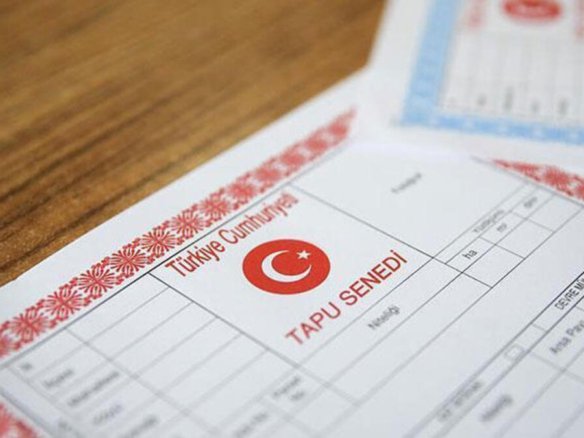
Ownership transfers when the land registry records it, not when the contract is signed or the money leaves your account. Arrive with your DASK policy in your own name, your identification and your tax number, and expect a sworn interpreter to be required if you do not speak Turkish.
Set the property up to run without you
Transfer the utility subscriptions, register with the building management and understand the aidat service charge cycle. If you will not be resident, arrange управление недвижимостью before you fly home rather than after the first problem.
Six Istanbul areas foreign buyers keep returning to
Not a ranking — a set of starting points, each suited to a different reason for buying.
Beşiktaş
Central, walkable and directly on the European shore, with the ferry network, universities and a dense working population. Supply near the water is genuinely limited. See our Beşiktaş property guide.
Şişli & Nişantaşı
The established prestige address on the European side, strong on retail, medical facilities and international schooling, and one of the easiest parts of the city to let. See our Şişli and Nişantaşı guide.
Maslak & Levent
Istanbul’s business core, dominated by newer high-rise residential towers and corporate tenants. The most rental-driven part of the city rather than the most atmospheric. See our Maslak area guide.
Bağdat Caddesi
The long, low-rise Asian-side avenue that functions as Istanbul’s most settled residential address, with a heavily domestic owner-occupier market. See our Bağdat Caddesi guide.
Beykoz & Acarkent
Gated, low-density and green, on the Asian side above the Bosphorus — the part of Istanbul that answers buyers who want a family house rather than an apartment. See our Acarkent villas guide.
Branded residences
A distinct segment rather than a district: hotel-serviced towers with managed rental programmes. Compare the Ритц-Карлтон Резиденс, Четыре Сезона Частные Резиденции и Центр Зорлу.
Four ways to buy into Istanbul
The same budget behaves very differently depending on which of these you choose. This is about fit, not about which is objectively best.
| Брендированная резиденция | New-build tower | Resale in an established district | Off-plan | |
|---|---|---|---|---|
| Inspect the exact unit first | Usually yes | Usually yes | Да | Нет |
| Occupancy permit already issued | Normally | Normally | Check the record | Not yet |
| Built to current earthquake code | Да | Да | Depends on age | Да |
| Managed rental programme available | Обычно | Rarely built in | Arrange separately | Not until handover |
| Service charge | Highest | Moderate to high | Usually lowest | Unknown at purchase |
| Staged payments possible | Rarely | Sometimes | Нет | Да |
| Main risk to manage | Running costs | Tenant competition in the same tower | Building age and condition | Developer delivery |
If you are weighing the middle two columns in particular, our longer comparison of new-build versus resale property in Turkey works through the trade-off in more depth, and the off-plan buying guide covers what to establish about a developer before you commit to a payment schedule.
One point worth making plainly: the cheapest column is not the resale column once building age is priced in honestly. A central apartment at an attractive price in a block built decades ago may be an excellent purchase, or it may be a building heading into urban transformation. Those are very different propositions, and the difference is knowable in advance rather than a matter of luck.
Want a shortlist instead of a search results page?
Tell us how you will use the property and we will narrow Istanbul down to a handful of addresses worth viewing.
The costs that sit outside the asking price
The purchase price is the part everyone plans for. The costs around it are the part that surprises people, and in Istanbul they are not trivial. Expect to budget separately for the title deed transfer fee, agency commission, an independent lawyer, a sworn interpreter at the tapu appointment, compulsory earthquake insurance in your own name, and — if your purchase is intended to support a citizenship or residence permit application — a valuation report from an appraiser licensed by the Capital Markets Board.
Then there are the recurring costs. Annual property tax is payable to the municipality, the building service charge runs monthly whether or not you are in the country, and utility subscriptions have to sit in someone’s name. If you intend to let the property, rental income is taxable in Turkey and letting short-term is separately regulated, which is a different undertaking from a long lease. Our guides to estate agent fees, property taxes in Turkey и renting out property in Turkey set out each of these in detail.
We have deliberately not printed rates, thresholds or price-per-square-metre figures on this page. Turkish transfer fees, tax bands, insurance tariffs and investment thresholds are revised frequently, sometimes more than once a year, and a number that is stale is worse than no number at all — it gets budgeted against. The dedicated guides linked above are maintained for exactly that reason.
A last piece of practical advice. Istanbul rewards buyers who visit before they decide and punishes buyers who do not. A structured viewing trip — two or three districts, seen at the times of day you would actually use them — tells you more than months of browsing. If you are still deciding whether an apartment is the right format at all, our guide to Квартиры в Стамбуле на продажу goes deeper on that segment, and the full Turkey property guides library covers the rest of the country.
Istanbul property: frequently asked questions
The six questions foreign buyers ask us most often about the city.
Have the checks run before you commit
Tell us the Istanbul address you are considering and we will run the title deed record, annotations, occupancy permit and building-age checks before anything is signed. We work with licensed Turkish conveyancers and appraisers, and every transaction settles through the secure payment system.


Присоединиться к обсуждению