

20-летние налоговые каникулы в Турции для иностранных инвесторов: что означает апрельское объявление Эрдогана в 2026 году
В переломный момент для инвестиционной экономики Турции президент Эрдоган объявил 20-летние налоговые каникулы для иностранных инвесторов, соответствующих критериям. Вот полный анализ того, что покрывается, кто имеет право, как это сочетается с существующим Программа получения гражданства Турции через инвестиции, и что это значит, если вы рассматриваете покупку недвижимости в Турции в 2026 году.
Продолжительность налоговых каникул для квалифицированных иностранных инвесторов
Подоходный налог на доход от квалифицируемой аренды и инвестиций
Существующий порог получения гражданства за инвестиции (отдельный, но комбинируемый)
Дата объявления — поэтапная реализация в 2026–2027 годах
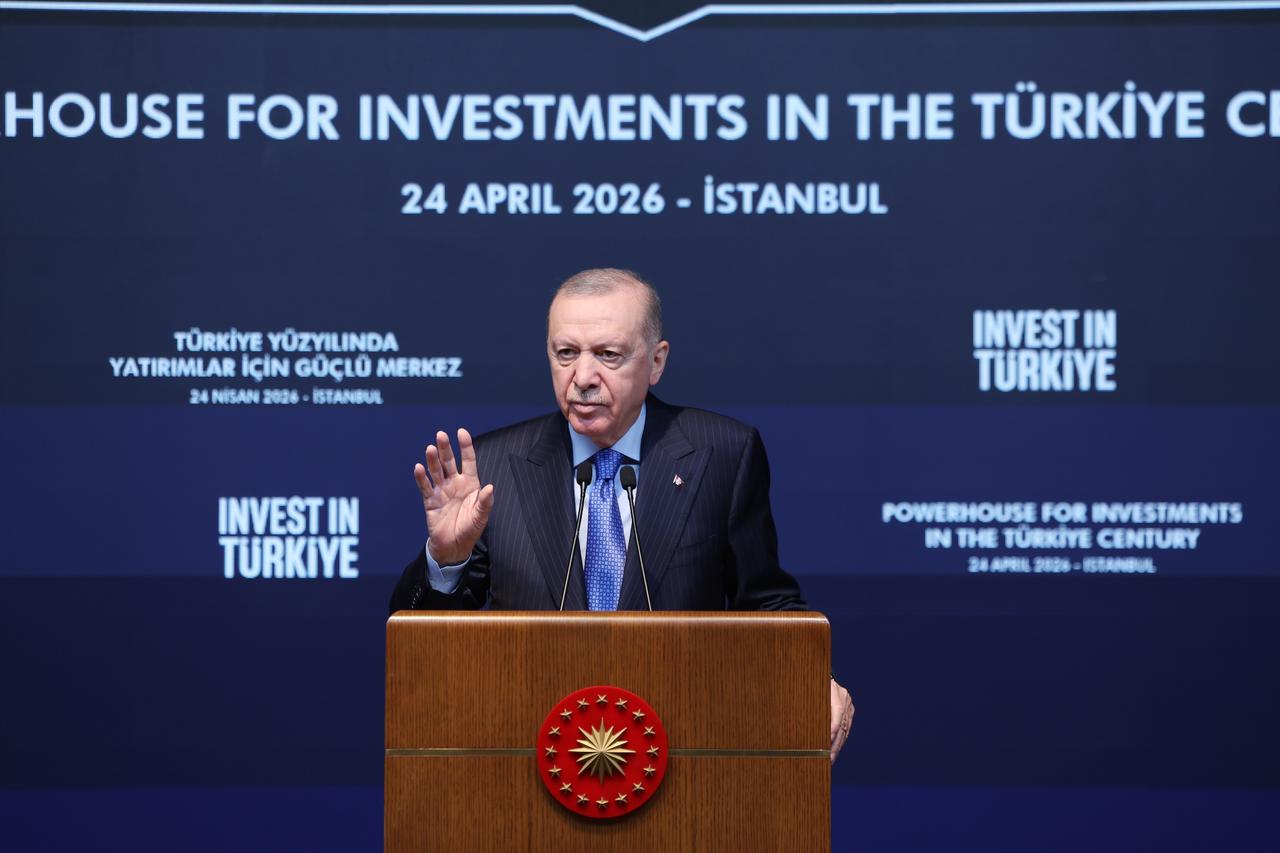
23 апреля 2026 года в телевизионном обращении из Анкары президент Турции Реджеп Тайип Эрдоган объявил о том, что характеризуется как самый агрессивный пакет стимулирования иностранных инвесторов за последние два десятилетия: 20-летние налоговые каникулы для квалифицированных иностранных инвесторов, структурированная для привлечения долгосрочного капитала в турецкую недвижимость, инфраструктуру и избранные стратегические секторы.
Для потенциальных международных покупателей недвижимости это объявление добавляет мощный второй уровень поверх уже хорошо зарекомендовавшего себя Программа получения гражданства Турции через инвестиции. Там, где гражданство дает второй паспорт в обмен на покупку недвижимости стоимостью 400 000 долларов США, новая налоговая амнистия дает нечто иное: двадцать лет структурного налогового освобождения в доход, который генерируют недвижимость и связанные с ней инвестиции за этот период. Вместе они меняют арифметику Турции как инвестиционного направления.
Этот брифинг охватывает то, что фактически содержится в объявлении (и что еще не определено), как рамки, по-видимому, взаимодействуют с существующими программами, пример расчета экономии для типичного портфеля инвестора, а также практические последствия, если вы рассматриваете турецкую покупку в течение следующих 12–24 месяцев.
Что охватывает данное руководство
- Что на самом деле освобождает от налогов 20-летние налоговые каникулы — и от чего нет
- Кто считается "иностранным инвестором" в соответствии с новой структурой
- Как это взаимодействует с существующей программой гражданства за инвестиции
- Пример: экономия 20 лет на типичном портфеле инвестора, эквивалентном AED
- Сравнение с программами инвесторов Португалии, ОАЭ, Греции и Кипра
- Сроки реализации, квалификационные пороги и что делать сейчас
Что именно охватывает объявление
Согласно официальному резюме, опубликованному вместе с обращением президента, 20-летние налоговые каникулы будут применяться к соответствующим иностранным инвесторам по четырем основным налоговым категориям. Детали будут опубликованы в Resmi Gazete (Официальном вестнике) по мере вступления в силу имплементирующих положений в третьем квартале 2026 года, но основные контуры ясны:
- Налог на доходы физических лиц на доход от сдачи в аренду от квалифицированной турецкой собственности — полное освобождение на 20 лет с даты покупки, применимое к иностранным физическим лицам, владеющим квалифицированными активами.
- Налог на прирост капитала при продаже квалифицирующих активов — полное освобождение от налога для активов, находившихся во владении минимальный срок (ожидается, что он составит 3+ года, аналогично структуре программы получения гражданства).
- Налог у источника выплаты по дивидендам и распределениям от соответствующих турецких корпоративных структур, контролируемых иностранными инвесторами, — пониженная ставка или полное освобождение, которые будут определены во вводном постановлении.
- Налог на имущество (Emlak Vergisi) — частичное освобождение от налога или снижение ставки налога на квалифицируемое иностранное имущество; окончательный объем зависит от имплементационного регламента.
Критически важно, объявление также предваряло расширение категорий квалифицированных инвестиций помимо жилой недвижимости — для включения определенной коммерческой недвижимости, инвестиционных фондов, зарегистрированных в Турции (Türk Yatırım Fonları) и участия в инфраструктурных проектах. Полная таксономия "квалифицируемых инвестиций" будет утверждена Казначейством и Министерством финансов.
Кто считается иностранным инвестором
Предполагается, что эта структура ориентирована на три категории иностранного капитала, каждая из которых имеет свои особые критерии квалификации:
1. Иностранные физические лица
Нетурецкие граждане, осуществляющие личные инвестиции выше установленного порога (ожидается, что он будет соответствовать существующему минимуму в 400 000 долларов США для программы получения гражданства — или заменит его). Лица, уже имеющие турецкое гражданство по пути инвестирования, по-видимому, имеют право на налоговые каникулы по дополнительному квалифицированному капиталу, что означает, что две программы должны дополнять друг друга, а не исключать.
2. Турецкие компании под иностранным контролем
Турецкие юридические лица (Limited Şirket или Anonim Şirket) с подтвержденным преимущественным иностранным владением. Это включает структуры семейного офиса, SPV для иностранных инвесторов и совместные предприятия международных застройщиков, что является значительным расширением по сравнению с программами в других странах, которые ограничивают льготы для индивидуальных покупателей.
3. Иностранные институциональные инвесторы
Суверенные фонды, иностранные пенсионные фонды и лицензированные институциональные инвесторы, соответствующие требованиям регистрации в Совете по рынкам капитала Турции (SPK). Эта категория, скорее всего, обеспечит наибольшие абсолютные притоки капитала в течение 20-летнего периода.
Как это сочетается с турецким гражданством за инвестиции
Наиболее значимым взаимодействием для покупателей недвижимости является снижение налогов и существующее в Турции Программа гражданство за инвестиции. Сегодня эта программа предоставляет турецкое гражданство — и второй паспорт — иностранным гражданам, инвестирующим более 400 000 долларов США в турецкую недвижимость, которая находится в собственности не менее трех лет. С момента запуска программой воспользовались около 25 000 иностранных инвесторов.
Новая структура позволяет покупателям:
- Используйте ту же покупку недвижимости, соответствующую квалификационным требованиям, чтобы получить ПУТЬ К ГРАЖДАНСТВУ И 20-ЛЕТНЫЙ НАЛОГОВЫЙ ПРАЗДНИК на доход от аренды/прироста капитала от этой недвижимости
- Объедините покупку жилой недвижимости стоимостью от 400 000 долларов США с более широким набором квалифицируемых инвестиций (коммерческая недвижимость, инвестиционные фонды), чтобы получить налоговые льготы на более крупный портфель.
- Для инвесторов, идущих по пути получения гражданства, которые впоследствии приобретают дополнительное турецкое имущество, заявить налоговые каникулы на дополнительный капитал, не перезапуская отсчет времени до получения гражданства
"Сигнал здесь ясен: Турция хочет привлечь иностранный капитал на длительный срок и готова отказаться от налоговых поступлений от этого капитала, чтобы его привлечь. Для инвесторов, сравнивающих программу получения гражданства в обмен на инвестиции с альтернативами, добавление 20-летних налоговых каникул существенно меняет профиль доходности после уплаты налогов."
Пример с расчетами: 20-летние сбережения по портфелю недвижимости $1 M
Рассмотрим гипотетического иностранного инвестора, приобретающего портфель стамбульской жилой недвижимости стоимостью 1 000 000 долларов США — например, квартиру стоимостью 400 000 долларов США в Бешикташе (дающую право на получение гражданства) плюс две квартиры стоимостью 300 000 долларов США в Кадыкёй и Шишли. Предположим:
- Валовая доходность от аренды в размере 5 % в год = 50 000 долларов США в год в виде дохода от аренды
- Стандартная ставка налога на доходы от аренды для нерезидентов в Турции: дифференцированная, эффективная ставка в данном диапазоне составляет примерно 15–35 %
- Налог на недвижимость (Emlak Vergisi): ~0,2 % от заявленной стоимости в год ≈ 2 000 долларов США
- Рост стоимости недвижимости за 20 лет: исходим из консервативной реальной сложной ставки 4 %, конечная стоимость ~2,2 млн долларов США
В условиях действующего предпраздничного режима инвестор заплатил бы примерно 10 000–17 000 долларов США в виде ежегодного налога на доходы от аренды, плюс 2 000 долларов США в виде налога на имущество — всего 240 000–380 000 долларов США за 20-летний период, не считая прироста капитала при выходе.
Для портфеля в 1 миллион долларов США налоговый каникул мог бы правдоподобно сохранить 400 000–500 000 долларов США чистой прибыли в течение периода владения — фактически повышение чистой рентабельности на 40–50 % по сравнению с капиталом, не отвечающим требованиям. Фактическое значение будет зависеть от точных пороговых значений и объема исключений, предусмотренных в подзаконных актах, однако порядок величины соответствует тому, о чём говорится в объявлении.
Как предложение Турции соотносится с международными предложение
В сравнении с другими глобально-маркетинговыми программами получения вида на жительство и налоговыми программами, сочетание гражданства через инвестиции и 20-летних налоговых каникул агрессивно перепозиционирует Турцию. Упрощенное сравнение:
Отличительная особенность: большинство европейских программ предлагают вид на жительство без структурного освобождения от налогов на десятилетия, привязанного к самому инвестированию в недвижимость. Турецкое предложение сочетает в себе опцию получения второго паспорта, более низкий порог входа и расширенную налоговую амнистию — комбинацию, которой в настоящее время не соответствуют ни одни из существующих альтернатив.
Временные рамки внедрения и на что обратить внимание
Президентское заявление — это намерение политики. Юридические механизмы будут разворачиваться в три ожидаемых этапа:
- 2 квартал 2026 г. (май–июнь) — Постановление Совета Министров об опубликовании рамочных положений и квалификационных порогов.
- 3 квартал 2026 года (июль–сентябрь) — Реализация нормативных актов Министерства казначейства и финансов, определяющих точные налоговые категории, подпадающие под освобождение, квалификационную таксономию инвестиций и процедуры подачи заявок.
- С 4 квартала 2026 года — Первая волна заявок обработана; ожидается определение переходных положений для инвесторов, купивших соответствующие активы в конце 2025 — начале 2026 года.
Инвесторам, рассматривающим покупку в 2026 году, следует обратить особое внимание на: (1) переходное регулирование покупок, совершенных до объявления (будет ли налоговая льгота применяться ретроактивно к соответствующим покупкам 2025/2026 гг.?), (2) точные квалификационные категории, и (3) никаких требований, касающихся периода владения, статуса резидента или регистрации в налоговых органах Турции.
Что это значит, если вы рассматриваете турецкую покупку
Практический вывод для потенциальных покупателей: это момент для планирования, а не для задержки. Три причины:
- Переходные положения исторически благоприятствуют первым игрокам. Когда Турция запустила программу получения гражданства в обмен на инвестиции в 2017 году, покупатели, заключившие сделки в первые 12 месяцев, получили наиболее выгодные условия. Такая же динамика, вероятно, будет и с налоговыми каникулами.
- Цены на недвижимость реагируют на сигналы спроса. Прошлые объявления о поощрении иностранных инвесторов в Турции (снижение порога получения гражданства в 2018 году с 1 млн долларов США до 250 тыс. долларов США, повышение в 2022 году до 400 тыс. долларов США) привели к заметному ускорению роста цен в соответствующих сегментах в течение 12 месяцев после объявления.
- Квалификационный порог, вероятно, будет расти со временем. По мере роста объемов заявок Турция исторически ужесточала квалификационные критерии — это означает, что самый доступный вход обычно приходится на самое начало программы.
Если вы уже рассматриваете гражданство через инвестиции, налоговые каникулы придают значительный вес аргументам. Если это не так, то одни лишь каникулы могут стать решающим фактором. В любом случае, следующие 12–18 месяцев представляют собой окно ясности в ценообразовании и политике, которое вряд ли повторится.
Следующие шаги
Если вы хотите оценить, как новый фреймворк повлияет на вашу конкретную ситуацию:
- Запрос нашего обновленного руководство покупателя охватывающий категории квалификационного имущества и прогнозируемую доходность после уплаты налогов в новой системе
- Запишитесь на консультацию, чтобы обсудить гражданство за инвестиции + налоговые каникулы, суммирующиеся с портфелем, соответствующим вашему бюджету
- Включитесь в наш список рассылки уведомлений о политике, чтобы получать соответствующие нормативные акты по мере их публикации
Консультативная группа Tru Property Turkey участвовала в более чем 150 сделках по получению гражданства и активно формирует клиентские портфели в соответствии с новой системой по мере вступления в силу имплементирующих норм.
Ваш партнер по новой программе для турецких инвесторов
Мы представляем международных покупателей на протяжении всех основных изменений в программах турецких инвесторов с 2017 года. Вот что это означает для вашей покупки в рамках новой системы.
На месте в Стамбуле
Наша команда работает напрямую с застройщиками, Кадастровой палатой (регистрационным органом недвижимости) и турецкими налоговыми органами — никаких удаленных процессов, никаких передач третьим лицам.
150+ Гражданских сделок
Полная комплексная обработка гражданство через инвестиции, от выбора недвижимости до выдачи паспорта.
Юридические и налоговые специалисты
Штатные турецкие юристы и бухгалтеры, разбирающиеся как в программе получения гражданства, так и в новой системе налоговых каникул — что очень важно при совместном использовании обеих.
Премиальный инвентарь
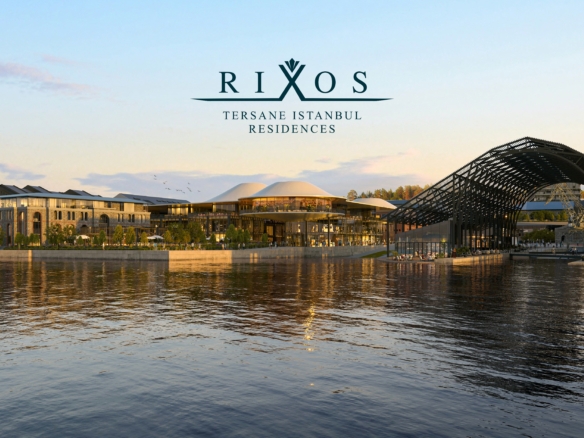
Прямой доступ кAddress Residences, Ritz-Carlton Residences и другим застроенным объектам известных брендов, где концентрация соответствующей недвижимости наиболее высока.
Послепродажное управление
Полный управление недвижимостью для нерезидентов — лизинг, налоговая отчетность и денежные переводы.
Международные специалисты по работе с владельцами
Многоязычная команда (английский, арабский, русский, турецкий, персидский) обслуживает иностранных владельцев из более чем 40 стран.
20-летние налоговые каникулы в Турции — Часто задаваемые вопросы
Наиболее частые вопросы, которые мы получили от потенциальных покупателей с момента объявления.
Готовы приступить к работе в рамках новой структуры?
Получите индивидуальный инвестиционный брифинг, охватывающий категории подходящей недвижимости, прогнозируемую доходность после уплаты налогов в период налоговых каникул и тщательно подобранный список объектов недвижимости, соответствующий вашему бюджету. Бесплатно, без обязательств.
WhatsApp: +90 536 637 1201 Прочтите руководство по гражданствуЗапрос на инструкцию для инвесторов по 20-летнему налоговому отпуску
Предоставьте нам несколько деталей, и мы отправим вам наш обновленный пакет для инвесторов, включающий: категории подходящей недвижимости, текущую доступность, прогнозируемую доходность после уплаты налогов в рамках новой системы и соответствие требованиям для получения турецкого гражданства согласно вашему бюджету. Мы отвечаем в течение 24 часов.

Присоединиться к обсуждению