

Property for Sale in Ölüdeniz: Buying on a Protected Coast
Ölüdeniz is one of the most photographed places in Turkey and one of the hardest to buy into — for the same reason. Most of what surrounds the lagoon cannot be built on, which shapes everything about the local property market.
A small place with a hard edge drawn around it
Most Turkish coastal property markets are shaped by demand. Ölüdeniz is shaped by supply, and the supply is capped by law. The lagoon is a protected nature reserve where construction is prohibited outright, and Ölüdeniz was designated a first-degree natural protected site in 1983. The surrounding district sits inside the Fethiye–Göcek Special Environmental Protection Area, declared in 1988 over roughly 816 square kilometres.
The consequence is visible the moment you arrive. Where a comparable Mediterranean bay elsewhere would be lined with apartment blocks, Ölüdeniz has beach, pine forest, a low strip of tourism businesses and very little residential building at all. That is precisely why it looks the way it does — and why buyers who arrive expecting to choose between dozens of seafront apartments find there is almost nothing on the water to choose from.
So the practical question is rarely “which apartment in Ölüdeniz?” It is “how close to Ölüdeniz do I actually need to be, and what am I trading to get there?” Nearly everything marketed as Ölüdeniz property sits on the approach road or in the hill villages of Ovacık and Hisarönü above it. Understanding the difference between those three places is most of the work. For the wider district — Çıralı, Çalış, Karagözler and the rest — see our guide to property for sale in Fethiye.
Ölüdeniz at a glance
What a foreign buyer needs to know before viewing
How a purchase here should run
The legal process is the national one. What is local is the order in which you should settle the questions that decide whether a property suits you.
Pick the settlement before the property
Ölüdeniz, Ovacık and Hisarönü are three genuinely different places with different prices, different atmospheres and different winters. Choosing between them first saves viewing properties that were never going to suit you.
Visit out of season as well as in summer
This matters more in Ölüdeniz than in most places, because the seasonal swing is unusually sharp. See the same street in winter before you decide, particularly if you plan to spend more than a few summer weeks there.
Check the protected-area position for the specific plot
Protection status affects what can be built, extended or altered, and it varies by location within the district. If you are buying land, a plot with a view over the lagoon, or a property you intend to extend, establish the position formally rather than relying on what a seller says.
Run the standard legal checks
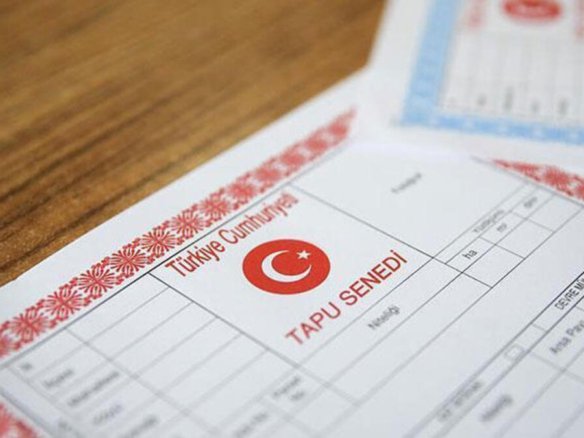
Title deed and its annotations page, habitation certificate (iskan), military zone check and the building’s management position. Our guide to the pitfalls foreign buyers still fall into covers each, and they belong before the deposit.
Settle through the secure payment system
From 1 July 2026, purchase funds must pass through Turkey’s mandatory secure payment system rather than going directly to the seller, released only once the transfer of ownership is registered. Compulsory DASK earthquake cover must be in place before the Land Registry will transfer title.
Arrange for the property to be looked after
A resort property standing empty for eight months needs someone with keys. Agree management, utilities and a winter routine in the weeks after completion, while you are still in the country. See property management in Turkey.
Ölüdeniz, Ovacık and Hisarönü are three different decisions
Ölüdeniz itself is the closest to the lagoon and the most tightly constrained. Residential stock is limited, often older, and comes onto the market slowly. Buyers pay for proximity to one of the best-known beaches in the country and accept that the immediate surroundings are geared to day visitors in season. This is where the protected-area restrictions bite hardest, and where you should be most careful about what a seller claims can be altered or extended.
Ovacık sits a few kilometres inland and uphill, and is the most residential of the three. It is greener and quieter, with more detached villas on individual plots, a long-established community of foreign owners, and enough year-round activity that winters are liveable rather than deserted. It is the usual answer for buyers who want a base in the area rather than a purely seasonal bolthole, and its elevation makes summers noticeably more bearable than down at sea level.
Hisarönü lies between the two and is the concentrated resort centre: densely built, heavily oriented to bars, restaurants and holiday apartments, and extremely lively through the season. It has the largest supply of purpose-built holiday stock and is the most obvious choice for a buyer focused on holiday letting — with the corresponding caveat that it is also the quietest of the three out of season, when much of what makes it attractive in August is closed.
Further afield, the hamlets south along the coast road — Faralyı and Kabak above Butterfly Valley — offer dramatic settings, very limited stock and correspondingly limited services and access. The historic ghost village of Kayaköy sits inland between Ölüdeniz and Fethiye. These are worth knowing about, but they are specialist choices rather than mainstream ones.
The three settlements side by side
A practical comparison of what each place offers a foreign buyer. Confirm anything decisive on the ground — local character changes street by street here.
| Consideration | Ölüdeniz | Ovacık | Hisarönü |
|---|---|---|---|
| Walkable to the lagoon | Yes | No — uphill drive | No — short drive |
| Substantial residential community | Limited | Yes | Mostly holiday stock |
| Stays open through winter | Largely seasonal | Largely yes | Largely seasonal |
| Detached villas on their own plots | Scarce | Common | Some |
| Purpose-built holiday apartments | Some | Some | Widely available |
| Nightlife and resort amenities on the doorstep | In season | Quiet by design | Yes |
| Supply constrained by protected status | Strongly | Partly | Partly |
| Suits a year-round or winter base | Less so | Yes | Less so |
Six things to establish before you commit
The checks that matter most in this particular market, over and above the national purchase process.
Protected-area status
Establish formally what the designation permits for that specific plot — building, extending, altering, replacing. This is the defining local constraint and the one most often glossed over by a seller keen to describe potential.
Title deed and annotations
Read the annotations page, not just the owner’s name: mortgages, liens and formal restrictions are recorded there. See our guide to the Turkish title deed.
Habitation certificate
Confirm the iskan has been issued. A building occupied without one creates problems with utilities, resale and lending. Our iskan guide explains what to ask for.
What operates in winter
Walk the immediate area out of season, or ask someone who has. In a market this seasonal, the difference between a street that trades year-round and one that shutters in October is a material difference in the property.
The letting position
If letting matters, establish whether a tourism rental permit is realistic for that unit before you buy — in an apartment block that depends on every other owner’s consent. See our permit guide.
Running costs and access
Service charges, utilities, and the practical reality of a hill road to Fethiye for shopping and healthcare. Ask for current figures for the specific property rather than working from general estimates.
The seasonal swing is the thing to test
Ölüdeniz is a genuine international destination, and in season it behaves like one. Babadağ, the mountain rising behind the lagoon, is among the best-known tandem paragliding launch sites anywhere, and the descent over the water is the image most people have of the place. The Lycian Way long-distance path runs through the area, and Butterfly Valley draws walkers and boat trips. All of this generates a large, concentrated visitor economy for several months of the year.
It also means the area empties. A meaningful share of the bars, restaurants and shops in Ölüdeniz and Hisarönü close for the winter, and the character of both places changes completely. This is not a criticism — many owners buy precisely for the summer and are content for the property to be quiet the rest of the year. But it is the single most common source of buyer’s remorse here, and it is entirely avoidable by visiting in February before you commit.
Fethiye, 14 kilometres north, is the counterweight. It is a working town rather than a resort, with year-round shops, banks, markets and hospitals, and it is where residents of the hill villages go for anything beyond the basics. The drive is short but it is a winding hill road, and how you feel about doing it regularly — in the dark, in rain, with shopping — is worth establishing before rather than after purchase.
Letting it, and keeping it, from abroad
A large share of Ölüdeniz buyers intend to let the property when they are not using it, and that intention now needs checking before purchase rather than after. Under Law No. 7464, adopted on 25 October 2023 and in force through its implementing regulation from 1 January 2024, letting a home for periods of under 100 days requires a tourism rental permit from the Ministry of Culture and Tourism. In a multi-unit building the application requires the unanimous consent of all the other unit owners — a genuine obstacle, and one that varies building by building. A detached villa in sole ownership does not face it. Our guides to the short-term rental permit and to renting out property in Turkey set out both routes.
Beyond letting, the ordinary obligations of owning a Turkish property apply: annual property tax, compulsory DASK earthquake cover, service charges in a managed complex, and utility accounts that carry a standing element even when nobody is there. In a strongly seasonal location these run for the eight or nine months the property is empty as well as the three it is not, which is worth building into your expectations from the start. Our guide to holiday homes in Turkey covers what a second home costs to keep through the empty months.
Want to know what a listing described as “Ölüdeniz” actually is?
We check the location, the protected-area position, the title and the letting prospects before you commit.
Property for sale in Ölüdeniz — frequently asked questions
What foreign buyers ask most about buying in Ölüdeniz and the villages above it.
Where to go next
The wider district, and the guides that apply to any Turkish purchase.
- Property for sale in Fethiye — the wider district and its other neighbourhoods.
- Kalkan property — the next established resort market along the coast.
- Holiday homes in Turkey — what a seasonal second home costs to keep.
- Turkey property buyer’s guide — the full purchase walk-through.
- Turkey property guides — the complete library by area and topic.
- DASK earthquake insurance — compulsory cover and what it does not include.
- Property taxes in Turkey — the recurring obligations of ownership.
Have the checks run before you commit
Tell us which part of the Ölüdeniz area you are considering and we will tell you what is actually available there — then run the title deed, annotations, protected-area and habitation certificate checks before anything is signed. Every transaction settles through the secure payment system.