Property for Sale in Didim: A Foreign Buyer’s Guide to Altınkum
Didim is one of the few Turkish coastal markets shaped as much by its foreign residents as by its tourists — a district of 97,000 people where the utility bills are printed in English as well as Turkish. That has advantages, and it has consequences. Here is what buyers should understand before they choose a neighbourhood.
A district, not a resort strip
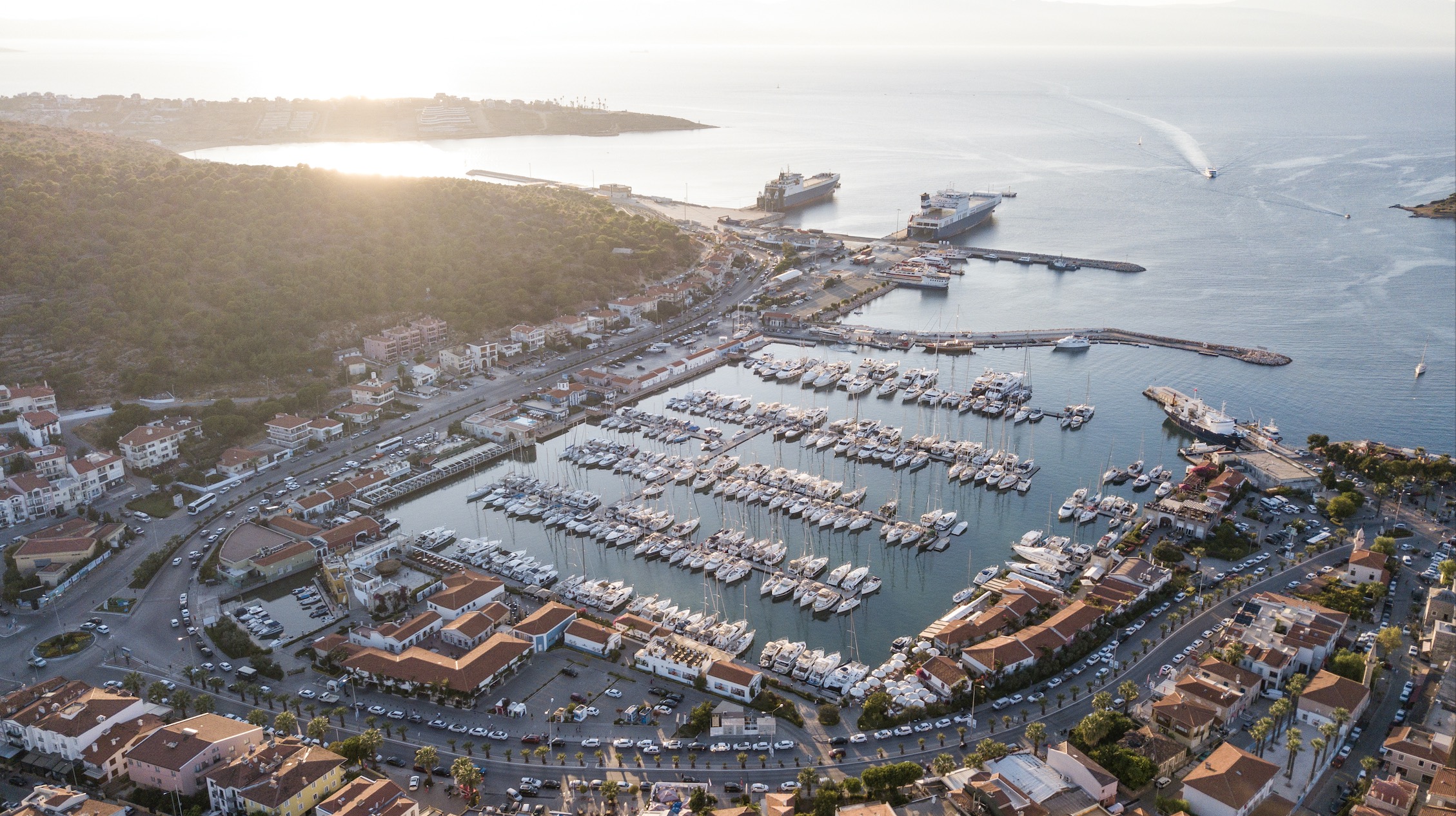
The first thing to get straight about Didim is the name. Didim is the district; Altınkum — the name means golden sand — is the beach resort area within it, and it is what most foreign buyers are actually picturing. The district is a municipality of Aydın province on the Aegean coast, roughly 123 kilometres from the provincial capital, sitting on the north shore of the Güllük gulf and looking across at the villages of the Bodrum peninsula.
It is bigger than the resort image suggests: 424 square kilometres and a population of around 97,000 at the 2022 count, divided into fourteen administrative neighbourhoods. A listing described simply as “Didim” could be in the middle of Altınkum, in a quiet bay well outside it, or inland among the wheat and cotton. Working out which before you book a viewing trip saves a great deal of wasted driving.
This guide covers the geography, the foreign-resident market that shapes it, and the checks that matter for a purchase here. For the full national purchase process see our Turkey property buyer’s guide, and for the mistakes we see most often, seven pitfalls foreign buyers still fall into.
Didim — At a Glance
The facts that shape a purchase here
The parts of Didim worth knowing by name
Six reference points that will make listings, and agents, considerably easier to interpret.
Altınkum
The resort core, and the beach whose name means golden sand. This is the busiest, most developed and most seasonal part of the district, and the default assumption behind most “Didim” listings.
Akbük
A bay and neighbourhood on the district’s coast, some distance from the resort core. Buyers who find Altınkum too busy in August usually end up looking here or at the other outlying neighbourhoods.
Mavişehir
Another of the fourteen administrative neighbourhoods, on the coast away from the main strip. Worth separating clearly from Altınkum when comparing prices, because the two are not the same market.
The marina
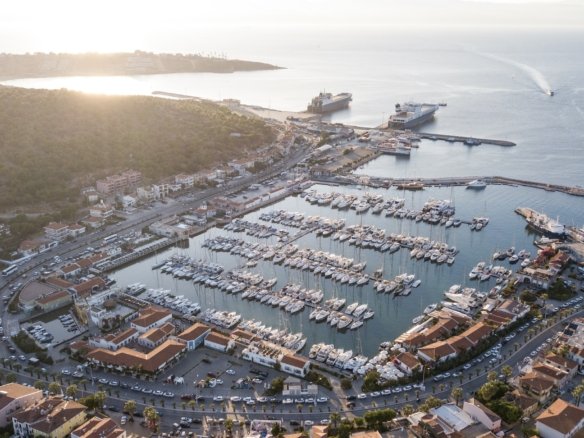
D-Marin Didim has been in operation since 2009. A working marina changes a coastal town’s winter economy as well as its summer one, and marina-adjacent property is usually priced accordingly.
Didyma
The Temple of Apollo, with its Ionic columns, sits within the district and gives Didim its name. Miletus, Priene and the Lake Bafa national park are all within reach for day trips.
The inland district
Beyond the coast, wheat and cotton are farmed across the district, and the silt of the Meander river filled the inlet that once made the Poseidium a peninsula. Not resort land, and priced differently.
What an established foreign community does to a local market
Didim is unusual among Turkish coastal districts in how visibly it has been shaped by its overseas residents. British residents have formed a settled community here since around 2000, and the clearest official sign of it is mundane rather than romantic: utility bills in the district are now printed in English alongside Turkish.
That is a real advantage, and it is worth naming honestly rather than dismissing as an expat-bubble cliche. Practical friction is lower. There is an established pool of agents, tradespeople, property managers and professional services accustomed to dealing with non-resident owners and with the paperwork that comes with them. Integration is easier for buyers who do not speak Turkish, and for some people that is decisive.
There is a second-order effect that buyers should weigh with equal care. A market in which one overseas nationality is heavily represented tends to move partly with conditions in that country — its currency, its interest rates, its appetite for a second home abroad — rather than purely with the Turkish domestic market. That can cut in your favour and it can cut against you. It is a reason to understand who you are likely to be selling to in ten years, not a reason to avoid the district.
The practical takeaway is to price and plan on the fundamentals rather than on the community: location within the district, the building’s condition and paperwork, the letting position, and the running costs. Our guides to the cost of living in Türkiye and renting out property in Türkiye cover the recurring side of ownership.
What is and is not true of Didim
The questions buyers ask before booking a viewing trip, answered without the brochure language.
| Question | Didim | Why it matters to a buyer |
|---|---|---|
| Can foreign nationals buy here? | Yes | Standard foreign-ownership rules apply. The military clearance check and a Turkish tax number form part of the process. |
| Is Altınkum a separate town? | No | Altınkum is the resort area inside Didim district, which has fourteen administrative neighbourhoods in total. |
| Is there more than one airport? | Yes — two | The district is served by both Bodrum and İzmir airports, which widens route choice outside peak season. |
| Is there a marina? | Yes | D-Marin Didim has operated since 2009, and it supports a wider winter economy than a pure beach resort. |
| Is there an English-speaking community? | Yes | British residents since around 2000; utility bills are printed in English as well as Turkish. |
| Is it busy all year? | Not the resort core | 97,000 residents across 424 km² gives year-round life, but Altınkum itself is strongly seasonal. |
| Do I need a permit to let short-term? | Yes | Short-term letting requires a permit nationwide. Establish the position for the specific building before you buy. |
| Is DASK needed before transfer? | Yes | Compulsory nationwide. The Land Registry will not register the transfer without valid cover in place. |
How to run a Didim purchase
The national process, with the two steps that carry extra weight in a letting-driven resort market marked out.
Choose the neighbourhood before the property
Altınkum, Akbük, Mavişehir and the inland district are genuinely different markets. Decide which you want, and see at least one of them out of season, before you start shortlisting individual apartments.
Get a Turkish tax number
The entry requirement for nearly everything that follows, including opening a bank account, paying for the property and registering the transfer. Obtaining it early prevents avoidable delay later on.
Pull the full title deed record and read the annotations
Confirm the registered owner and what is registered against the property: mortgages, liens, disputes and şerh annotations. Ask for the complete record, not a photograph of the front of the tapu.
Settle the letting position before you commit
The step that matters most in a market bought largely for rental. Short-term letting requires a permit, and the answer can turn on the building and on other owners in it rather than on your plans alone.
Check the occupancy permit and run the zone checks
Ask to see the iskan certifying the finished building matches its approved plans and passed final inspection. Complete the military clearance check and confirm you sit inside the 30-hectare national and 10 per cent district caps.
Arrange DASK, then pay through the secure payment system
Compulsory earthquake insurance must be valid before the Land Registry will transfer ownership. Funds go into the secure account rather than to the seller, and are released only once registration is confirmed.
Is Didim the right market for you?
It suits buyers who want an Aegean coastal base with an established foreign community, straightforward access from more than one airport, a working marina, and a resort infrastructure that is already built rather than promised. It suits people buying partly to let, provided they do the permit work up front. And it suits those who want the Aegean without the price level of the Bodrum peninsula across the gulf.
It suits less well buyers looking for a Turkish town relatively untouched by overseas ownership, or for a year-round urban life with the depth of services a city provides. For the former, look further along the coast; for the latter, İzmir is the obvious comparison, and Kuşadası sits between the two in both senses.
The recurring error in this market is treating “Didim” as a single place and comparing prices across neighbourhoods that have little to do with each other. The second is buying for rental income without first establishing whether the specific building can lawfully be let on short stays. Neither is difficult to avoid. Both are expensive to discover afterwards.
Considering a property in Didim or Altınkum?
We will pull the title deed record, check the annotations and confirm the letting position of the building before anything is signed.
Property in Didim — frequently asked questions
The questions foreign buyers ask most often about Didim, Altınkum and the buying process.
Where to go next
Neighbouring Aegean markets, and the mechanics of buying and letting in Türkiye.
- Property for sale in Kuşadası — the larger resort market up the coast.
- Bodrum property for sale — the peninsula across the Güllük gulf.
- Property for sale in İzmir — the Aegean city, for year-round living.
- The short-term rental permit — the licence every holiday-let owner now needs.
- Renting out property in Türkiye — how letting actually works for foreign owners.
- Tapu: how the Turkish title deed works — what the deed records and how to read it.
- Iskan: the habitation certificate explained — the sign-off to insist on.
- All Turkey property guides — the full library by region and topic.
Have the checks run before you commit
Tell us the property you are considering in Didim and we will run the title deed record, annotations, permit and letting checks before anything is signed. We work with licensed Turkish conveyancers and appraisers, and every transaction settles through the secure payment system.

Join The Discussion