
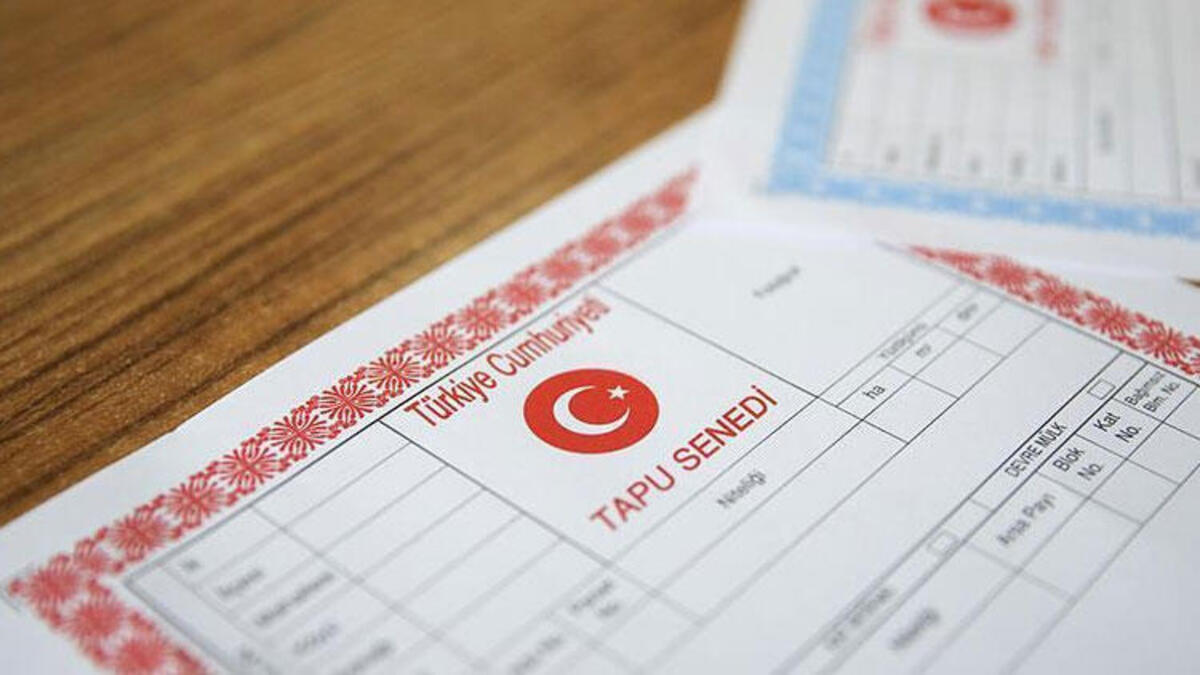
Kat İrtifakı vs Kat Mülkiyeti: The One Line On Your Deed That Decides What You Own
Two Turkish title deeds can look almost identical across the counter. One records finished, independent ownership of your apartment. The other records a right attached to a share of land, on a building the state has not yet signed off. Knowing which one you are being handed changes what you can borrow against, what you can sell, and what happens if the building was never completed to its approved project.
A right over land, versus ownership of a flat
Turkish apartment ownership is governed by the Condominium Law, Law No. 634 (Kat Mülkiyeti Kanunu). That single statute creates both of the deeds you will meet, and it treats them as two stages of one process rather than two competing products.
Kat mülkiyeti is condominium ownership proper. Law 634 defines it as an ownership right established over an bağımsız bölüm — an independent section of a completed building that is capable of being used separately and on its own. Your flat is a legally distinct thing. It exists on the register as its own unit, tied to a share of the land and to the common parts.
Kat irtifakı is something materially weaker. The Law describes it as a servitude created over the arsa payı, the land share, for the benefit of independent sections in a building that is going to be built or is being built, with a view to condominium ownership being established later. The operative phrase is “going to be built”. At the moment a kat irtifakı deed is issued, the flat drawn on the project may not physically exist.
This is why the distinction is not pedantry. With kat irtifakı, what the register actually secures for you is a proportionate share of the land plus a contractual-flavoured right to a specific unit once it is finished and approved. With kat mülkiyeti, the register secures the finished unit itself.
Both are real, registered rights. Both appear on a genuine Turkish title deed and both are transferable and mortgageable in principle. Neither is a scam. But a building sitting on kat irtifakı years after completion is telling you something, and it is rarely good news.
Kat İrtifakı — At A Glance
What the construction-stage deed does and does not give you
How kat irtifakı becomes kat mülkiyeti
Under Law 634 this is not an optional upgrade you negotiate. It is a statutory consequence of the building being signed off. The steps below are the sequence the Law contemplates.
The land share is carved up first
Before construction, the landowner establishes kat irtifakı over the parcel. Each projected unit is allocated an arsa payı, a proportionate share of the land. Law 634 requires those shares to be allocated in proportion to the units themselves, and they cannot later be detached and sold separately from the unit they belong to.
The architectural project is lodged
The registry receives the approved project showing each independent section, its position, its dimensions and its land share, together with a management plan governing how the building will be used and administered. These are the documents the Law requires before the right can be registered.
Deeds are issued against units that do not yet exist
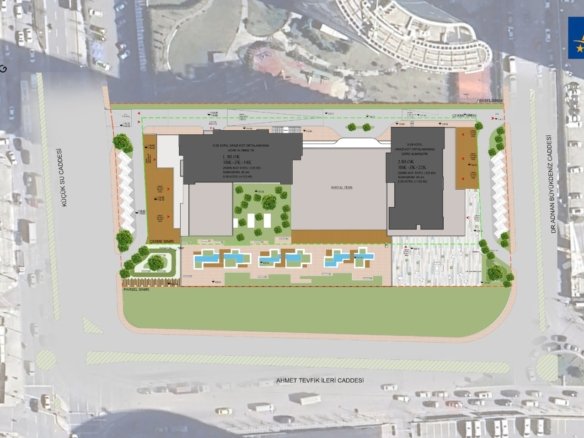
Buyers receive a kat irtifakı deed naming their block, floor and unit number. The paper is real and the right is registered. The concrete may not be poured. This is the point in the timeline where off-plan buyers are most exposed, which is why the off-plan purchase process deserves its own diligence.
The building is completed to its approved project
This is the condition everything else hangs on. The structure must match what was approved — not approximately, but in the respects the authority inspects. Deviations are the single most common reason buildings stall at this stage.
The habitation certificate is issued
The competent authority issues the yapı kullanma izin belgesi for the building as a whole. This is the document foreign buyers know as the iskan, and it is the trigger the Condominium Law is waiting for.
The register converts the right, without being asked
Law 634 provides that kat irtifakı is converted to kat mülkiyeti ex officio on the basis of that permit. The authority issuing the permit is required to notify the land registry within sixty days. An owner or one of the co-owners may also apply to have it done. No fresh management plan is required for the conversion.
Six places the difference shows up in practice
The legal distinction is clean. These are the consequences buyers actually feel, and they are the reason it is worth asking the question before you sign anything.
Mortgage availability
Lenders treat the two differently. Turkish banks commonly send a valuer, and a building without its habitation certificate is a different risk. Some will not lend at all against a property with no permit; others will lend but on altered terms or limits. Confirm the position with the specific lender rather than assuming, and read our guide to a mortgage in Turkey for foreigners.
Resale and your buyer pool
You can sell a kat irtifakı property; the deed transfers like any other. But your buyer inherits your problem, and a buyer who needs financing may struggle. That narrows the market to cash purchasers and usually shows up in the price you can achieve when you come to sell.
Valuation and insurance
A valuation report records what the register and the permits say. Where a building lacks its habitation certificate, that fact is visible to valuers, lenders and insurers, and it can affect how the property is assessed and what cover is written.
Why the permit is missing
A finished building stuck on kat irtifakı usually means the as-built structure does not match the approved project — an extra floor, an enclosed terrace, a converted common area. The fix is to bring the building back into compliance, which is rarely within one owner’s gift and often requires the whole block to agree.
Who you are relying on
Until conversion happens, you are relying on the developer completing to project and the authority signing off. That makes the counterparty central, and it is why it pays to check the developer before committing, not after.
Common areas and management
Kat mülkiyeti sits alongside a management regime for the shared parts of the building. Where a block is still on kat irtifakı, questions about common areas, running costs and aidat service charges can be less settled in practice, even though a management plan was lodged at the outset.
The two deeds compared
Read this against the actual deed in front of you, not against what you were told the deed says.
| Kat İrtifakı | Kat Mülkiyeti | |
|---|---|---|
| What the register secures | Land share + right to a future unit | The completed independent unit |
| Building completed? | No — or not signed off | بله |
| Habitation certificate issued? | نه | بله |
| Legal basis | Condominium Law No. 634 | Condominium Law No. 634 |
| Unit legally independent? | Not yet | بله |
| Transferable / saleable? | بله | بله |
| Straightforward to mortgage? | Varies by lender | Normally yes |
| Buyer pool on resale | Narrower | Full market |
| Land share sold separately? | نه | نه |
| Normal on a new development? | بله | Comes later |
| Expected on a finished block? | No — investigate | بله |
| Who must act to convert | Authority notifies the registry | Already converted |
Read down the middle column and a pattern emerges. Almost nothing about kat irtifakı is wrong; it is simply unfinished. Every row that looks weak is weak because the building has not been signed off yet. That is entirely appropriate for a development still going up, and entirely inappropriate for one that was completed years ago.
So the question to put to a seller is never “is this a good deed?” It is: does the stage of this deed match the stage of this building? If the answer is no, the gap between them is the thing you are actually buying, and you need to understand it before you price the property. A Turkish property lawyer can pull the register and the permit position and tell you which of the two situations you are in.
Not sure which deed you are being offered?
We pull the register, check the permit position and tell you what the building actually has — before you commit.
Kat irtifakı and kat mülkiyeti — frequently asked questions
Figures such as title deed transfer fees, taxes and permit charges are set by Turkish legislation and are revised from time to time. This guide deliberately does not quote them. Confirm current figures and your own position with a licensed Turkish adviser before you commit to a transaction. For the wider picture, start with our Turkey property guides or the common pitfalls foreign buyers still hit.
Have the deed checked before you sign
We read the register entry, the annotations and the permit position, and tell you plainly whether the deed stage matches the building stage. Our team works with licensed Turkish conveyancers and appraisers.


پیوستن به گفتگو