

Is It Safe to Buy Property in Turkey? An Honest Risk Assessment
Turkey registers ownership centrally, screens foreign buyers by location, and routes purchase money through a controlled payment channel. The legal risk that remains is real but narrow — and it is not the risk most buyers arrive worrying about.
The legal risk is low. The market risk is the one to argue about.
“Is it safe to buy property in Turkey?” is really two questions wearing one coat, and answering them together is what produces bad decisions. The first is whether you will actually end up owning what you paid for. The second is whether owning it will turn out to have been a sensible use of your money. The honest answer is that Turkey has spent the last several years steadily improving the first and has very little control over the second.
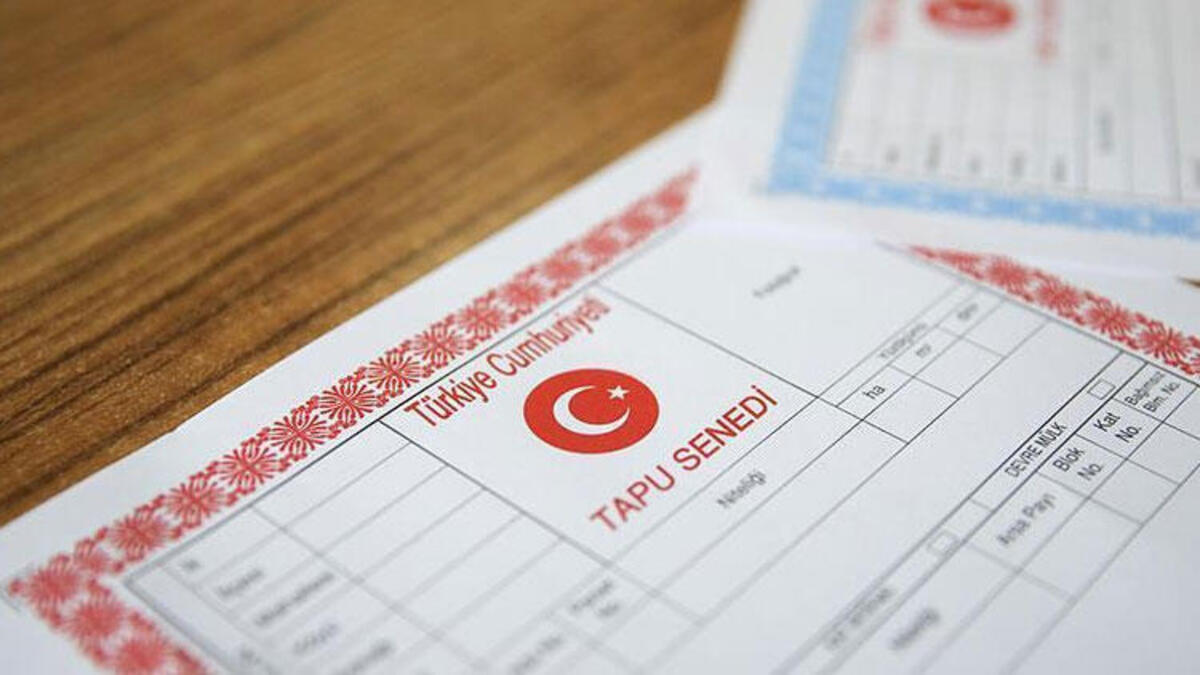
On the ownership question, the structure is stronger than its reputation. Title is not a private document passed between buyer and seller; it is an entry in a central register maintained by the Land Registry, the Tapu ve Kadastro Genel Müdürlüğü, and it is independently checkable through Web Tapu, the registry's official online service. The reciprocity condition that once limited which nationalities could buy was abolished in 2012. You do not need a residence permit to purchase. And purchase funds now move through a state-regulated secure payment system rather than directly into a seller's account, with release conditional on the transfer being registered.
What has not changed is that a well-run legal process cannot tell you whether a price is sensible. That is where the genuine exposure sits, and it is measurable. According to the Central Bank's Residential Property Price Index, Turkish house prices rose 24.5 per cent in nominal terms in the year to June 2026 and fell 5.8 per cent in real terms over the same period — the seventh consecutive month of real-terms decline. Both numbers come from the same release. Which one describes your outcome depends on what currency you hold and how long you hold it for.
This guide separates the risks a foreign buyer actually faces into six categories, sets out what genuinely protects you in each, and is explicit about what does not. For the specific procedural mistakes that generate most of these problems, our guide to the pitfalls foreign buyers still fall into covers them one by one.
Turkey Property Risk — At a Glance
The rules that govern a foreign purchase
How to test a specific property for risk, in order
Risk in a Turkish purchase is not evenly distributed across the process; it clusters in a handful of checks that are cheap to run early and expensive to run late. This is the order they are worth running in.
Establish what you are buying it for, before you choose it
The purpose determines the rules. A straightforward second home, a purchase intended to support a citizenship application and a property you intend to let short-term are governed by three different sets of requirements, and some of them attach to the property rather than to you. Deciding this after you have fallen for a specific flat is how buyers end up with an asset that cannot do the job they bought it for.
Pull the complete title deed record, annotations included
The front of a tapu tells you very little. The record behind it lists mortgages, liens, disputes and formal annotations (şerh) registered against the property. This is the single most informative document in the transaction and the one most often skipped. Turkey also operates Web Tapu, the Land Registry's official online register, so the record is verifiable rather than something you take on trust from a seller.
Confirm the building is legally finished
Ask for the iskan, the occupancy permit. Establish whether the block is held under kat irtifakı or kat mülkiyeti. If there is no occupancy permit, do not accept a reassurance that it is coming — find out specifically why it has not been issued, because the answer is sometimes a paperwork delay and sometimes a building that does not match its approved plans.
Run the military clearance and the ownership caps
A clearance check confirms the parcel does not sit inside a prohibited military zone or a special security zone. At the same time, confirm the purchase does not breach the 30 hectare national cap on holdings by one foreign individual, or the 10 per cent district ceiling. These are legal limits rather than guidance, and they are cheap to check early and expensive to discover late.
Decide whether a valuation report is required, then act on it
Buyers get this wrong in both directions. Since 13 June 2024 a valuation report from an appraiser licensed by the Capital Markets Board is no longer required for a standard foreign acquisition. It remains compulsory where the purchase is intended to support a Turkish citizenship by investment or a residence permit application. Some buyers pay for a report they do not need; others skip one their application depends on.
Arrange compulsory earthquake cover in your own name
DASK, the compulsory natural disaster cover, must be in place before ownership can transfer, and utility subscriptions cannot be opened without it. One rule changed recently and matters this autumn: from 5 September 2026 the seller's policy ends the moment the title is registered and no longer passes to the buyer. Understand also what the cover does: it insures the structure against earthquake and directly related events, not your contents.
Route every payment through the secure payment system
Purchase funds for Turkish real estate move through the Güvenli Ödeme Sistemi, the state-regulated secure payment channel, where money is held and released to the seller only after the transfer of ownership is registered. This is the strongest single protection a foreign buyer has, and it works only if it is used. A request to send funds directly to a personal account, or to hand over cash, defeats the entire mechanism.
If you intend to let it, confirm the letting is permitted
Short-term letting in Turkey is licensed under Law No. 7464. A permit from the Ministry of Culture and Tourism is required, and in an apartment block that permit depends on the unanimous notarised consent of every flat owner in the building — consent one neighbour can withhold. A property bought for short-let income that cannot obtain a permit is a different investment from the one you thought you were making.
Six risks worth separating
Most writing about Turkish property treats risk as a single dial running from “safe” to “risky”. It is more useful to treat it as six independent questions, because they have different answers and different remedies.
Title risk
Low, and getting lower. Ownership is registered centrally by the state and verifiable through Web Tapu. The residual exposure is not fraudulent title but unread annotations on a genuine one.
Building compliance risk
The one most consistently underestimated. A valid deed says nothing about whether the structure was signed off. The occupancy permit and the form of title are where this shows up.
Location and zoning risk
Narrow but absolute. Prohibited military zones, special security zones and the national and district caps are legal boundaries, and no amount of goodwill from a seller moves them.
Currency and real-terms risk
The largest genuine risk, and the least discussed. Prices are measured in lira in a high-inflation economy, so nominal growth and real growth have been pointing in opposite directions.
Letting and regulatory risk
Short-term letting is permit-based under Law No. 7464 and depends partly on your neighbours. Income assumptions made before checking permission are assumptions, not forecasts.
Liquidity and exit risk
A property is only worth what a later buyer will pay in a market you cannot predict. Unresolved paperwork that you tolerate on the way in becomes a discount on the way out.
What actually protects you, risk by risk
The right-hand column matters as much as the middle one. Several of the things foreign buyers rely on for reassurance provide none, and mistaking comfort for protection is a recurring pattern.
| Risk | What genuinely protects you | What does not |
|---|---|---|
| Registered title being invalid | The Land Registry records ownership centrally; the full deed record and Web Tapu let you verify it independently before completing. | A photograph of the front of a tapu, or a seller's assurance that the record is clean. |
| Buying in a restricted zone | The military clearance check, run as a standard part of the purchase process before completion. | Assuming that because a property is openly marketed to foreigners it must be clear to sell to one. |
| Money disappearing before transfer | The secure payment system, which releases funds to the seller only after the transfer of ownership is registered. | Direct bank transfers to a personal account, cash payments, or paying a deposit outside the channel. |
| An unfinished or non-compliant building | The occupancy permit (iskan), plus establishing whether the block is on kat irtifakı or kat mülkiyeti. | A completed-looking building, a show flat, or a promise that the permit is on its way. |
| Losing money in real terms | Reading nominal and real price movements separately, and treating the exchange rate as part of the investment. | A headline percentage rise quoted without saying whether it is nominal or inflation-adjusted. |
| Rental income that never arrives | Confirming the short-term letting permit is obtainable, including the unanimous flat-owner consent, before you buy. | A projected yield supplied by the party selling you the property. |
Want the risk checks run on a property before you commit?
We run the title record, annotations, zone clearance and permit checks as standard, and every transaction settles through the secure payment system.
Where foreign buyers sit in the wider market
One piece of context makes the risk picture easier to read: foreign buyers are a small minority of the Turkish housing market, and that has consequences in both directions. In July 2026 there were 123,603 residential sales in Turkey, down 17 per cent year on year, according to the house sales statistics published by the Turkish Statistical Institute on 13 August 2026. Sales to foreign buyers numbered 2,120, up 1.9 per cent, and accounted for 1.7 per cent of the total.
The useful implication is that foreign demand can move independently of the domestic market, and in that month it did — rising slightly while the overall market fell sharply. If you are buying from abroad, the national headline is background rather than a description of your market. The less comfortable implication is that when you come to sell, your buyer will most often be a domestic purchaser operating in lira, on domestic mortgage conditions, and judging your property against domestic alternatives. Anything unresolved in the paperwork that you were willing to overlook on the way in is something that buyer will price.
This is also why the compliance checks matter more than they appear to at the time. An absent occupancy permit is rarely a catastrophe on the day you buy. It becomes one at the point of resale, when a domestic buyer's bank declines to lend against a building that was never signed off. The same is true of an unremoved annotation on the deed, or a block whose title has never converted from construction servitude to full condominium ownership. Our guide to the habitation certificate sets out what the permit does and what its absence signals.
What changed recently, and what did not
Two changes are worth knowing about if you are completing a purchase this year. In May 2026 Turkey passed an omnibus statute, Law No. 7579, published in the Official Gazette on 22 May 2026, which amended rules across the Land Registry, the cadastre, condominium ownership, zoning, building inspection and valuation reports. It is not addressed to foreign buyers as a category and does not change who may acquire property in Turkey; what it changes is the machinery around ownership, which applies to a foreign owner exactly as it applies to a Turkish one. Our summary of the 2026 property law changes goes through it.
The second is narrower and more immediately practical. From 5 September 2026, a seller's compulsory earthquake policy ends the moment the title is registered and no longer passes to the buyer. If you are completing this autumn, arranging DASK cover in your own name becomes a step you have to schedule rather than something you inherit.
What did not change is the framework that governs foreign acquisition: the restricted zones, the 30 hectare national cap and the 10 per cent district ceiling all remain as they were, and are set out in full in our guide to whether foreigners can buy property in Turkey. Nor did the position on valuation reports: since 13 June 2024 one is not required for a standard acquisition, but it remains compulsory where the purchase supports a citizenship or residence permit application.
Is it safe to buy property in Turkey — frequently asked questions
The questions foreign buyers ask most often about title, buildings, restricted zones and the currency.
Related guides
- Buying property in Turkey: seven pitfalls — the specific procedural mistakes that produce most of the risk described here.
- Can foreigners buy property in Turkey? — the eligibility rules, restricted zones and ownership caps in full.
- Tapu: how the Turkish title deed works — deed types, annotations and how to read the register.
- House prices in Turkey — what the official CBRT and TurkStat numbers actually measure.
- Property taxes in Turkey — what owners actually pay, year by year.
- Turkey property guides — the full library of buyer guides by topic and region.
Have the risk checks run before you commit
Tell us the property you are considering and we will run the full title deed record, the annotations, the zone clearance and the permit position before anything is signed. We work with licensed Turkish conveyancers and appraisers, and every transaction settles through the secure payment system.



Join The Discussion