

Do You Need a Lawyer to Buy Property in Turkey?
No law forces you to instruct one. But Turkish law draws a hard line between the person selling you a property and the person allowed to advise you about it — and only one of them has a statutory right to see the documents that decide whether the purchase is sound.
The honest answer: not legally. Practically, almost always.
It is worth getting the legal position straight before the practical one, because a good deal of published advice muddles them. Turkish law does not require a foreign buyer to instruct a lawyer in order to buy property. Article 35 of the Attorneys’ Act says plainly that anyone with the capacity to bring a case may draw up their own documents, bring their own case and follow their own business personally. Nobody can tell you that a purchase is invalid because you did it without an avukat.
So the real question is not whether the law obliges you. It is whether you can personally do the work that an unrepresented buyer has to do. Almost every problem a foreign buyer runs into in Turkey is a document problem — something registered against a title deed, a permit that was never issued, a contract clause that allocates a risk you did not know you were taking. Those documents are in Turkish, they sit with institutions that have no reason to explain themselves to you, and you are usually reading them from another country on a compressed timetable.
This guide sets out who is licensed to do what in a Turkish property purchase, how to verify both professionals with a document rather than a promise, what an independent lawyer actually does with your file, and how to instruct one in a sensible order. It is written for buyers who are not resident in Turkey. For the wider purchase sequence, see our Turkey property buyer’s guide; for the title work itself, our legal services overview.
Who Is Licensed By Whom
The two rulebooks that govern your transaction
Four parties, four jobs, four different rulebooks
Foreign buyers routinely expect one of these people to do another one’s job. Knowing where each mandate ends is most of the protection.
| Party | Licensed under | What they are there to do | Acting for you? |
|---|---|---|---|
| Estate agency | Regulation on Real Estate Trading — Taşınmaz Ticareti Yetki Belgesi from the provincial directorate of the Ministry of Trade | Marketing property, introducing buyer and seller, arranging viewings, brokering terms. | Not independently — the agency is a commercial party to the sale |
| Avukat (lawyer) | Attorneys’ Act No. 1136 — admitted by a provincial bar, holding a ruhsatname | Advising on the legal position, examining the title record and permits, drafting and reviewing contracts, holding a power of attorney. | Yes, if you engage and pay them directly |
| Noter (notary) | Turkish notarial legislation | Certifying and authenticating documents, including a power of attorney and sworn translations. | No — a notary certifies form, not the merits of your deal |
| Land Registry (Tapu) | Turkish land registry legislation | Holding the ownership record, registering the transfer, recording encumbrances and annotations. | No — a public register, not an adviser |
What Turkish law actually reserves to lawyers
The Attorneys’ Act No. 1136 was adopted on 19 March 1969 and published in the Official Gazette on 7 April 1969. Its opening article describes advocacy in terms that are unusual to English-speaking ears: avukatlık is a public service and an independent profession, and the lawyer freely represents the independent defence that is one of the constituent elements of the judiciary. That framing is not decoration. It is the reason the profession is fenced off from commerce.
Article 35 draws the fence. Giving opinions on legal matters, pursuing and defending the rights of natural and legal persons before courts, arbitrators and other bodies exercising judicial authority, following judicial procedures and drawing up all the documents relating to that work belongs only to lawyers registered with a bar. Lawyers registered with a bar may in addition follow all business at official departments beyond that first category. The same article preserves your own right to act for yourself.
Article 2 is the provision that does the most work in a property purchase, and it is the one buyers almost never hear about. It obliges judicial organs, police authorities, other public institutions and public economic enterprises, private and public banks, notaries, insurance companies and foundations to assist lawyers in carrying out their duties. Subject to special provisions in their own statutes, those institutions must make the information and documents the lawyer needs available for examination. Taking copies of those documents is conditional on production of a vekâletname — a power of attorney.
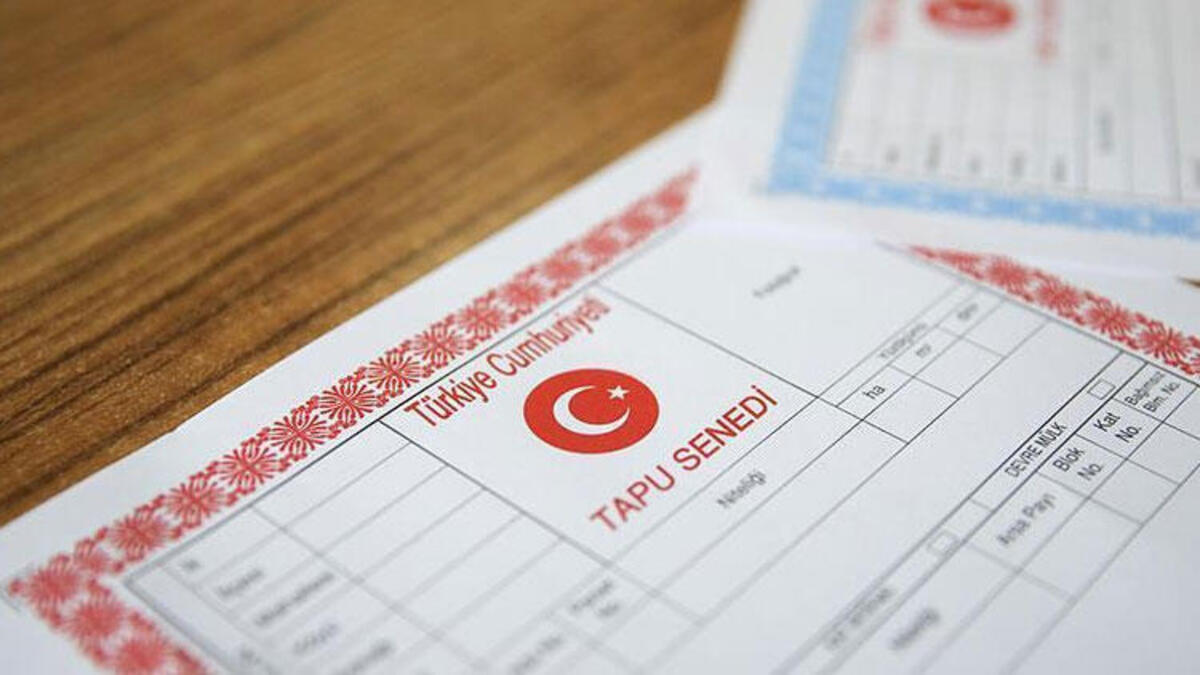
Everything else follows from those two articles. The lawyer reads the full title deed record rather than a photograph of the front of a tapu, including the page listing encumbrances and annotations. They confirm the seller is the registered owner and has authority to sell. They ask for the occupancy permit and read what it actually covers. On a new development they look at the developer’s permissions rather than its brochure, which is the substance of buying off-plan. They draft or review the contract. And where you cannot attend in person, they act under a power of attorney.
The independence problem, and why Turkish law anticipated it
The failure mode in cross-border property purchases is rarely a fraudulent lawyer. It is a lawyer who is perfectly competent but is not, in any meaningful sense, yours. They were introduced by the selling agency. Their fee is folded into a package price. Their working relationship with the party on the other side of your transaction long predates their relationship with you, and will long outlast it.
Turkish law takes the underlying conflict seriously enough to legislate against it. Article 11 of the Attorneys’ Act provides that no service or post performed in return for a salary, wage, daily payment or similar, no insurance brokerage, no tacirlik ve esnaflık — being a merchant or a tradesman — and no work incompatible with the honour of the profession may be combined with practising law. Article 12 then lists the narrow set of roles that are compatible, such as serving as in-house counsel to a private legal person, acting as an arbitrator or mediator, or holding an academic post in law.
The practical reading for a buyer is simple. The person brokering the sale of a property to you is engaged in trade. Under Article 11, that activity does not sit alongside practising law in the same pair of hands. So if you are being offered a single package in which one organisation finds the property, advises you on the property and handles the legal work on the property, the structure deserves a direct question about who exactly is admitted to which bar and who is being paid by whom.
None of this means an agency recommendation is disqualifying. Good agencies work with good lawyers, and in a market where you know nobody, a referral is a reasonable place to begin. The distinction is between a referral you then verify and engage on your own terms, and a bundled arrangement in which you never actually become the lawyer’s client. The first is normal. The second is the thing to avoid.
How to check both licences with a document
Both professions in your transaction are licensed, and both licences are physical documents. Neither verification requires you to speak Turkish or to be in the country.
For the lawyer. Article 9 of the Attorneys’ Act provides that a candidate admitted to the profession is issued a ruhsatname by the relevant bar, that admission takes effect from the moment the ruhsatname is issued, and that only after being admitted in this way does a person acquire the right to use the title Avukat. The article goes on to provide that ruhsatnames and lawyer identity cards are printed and issued in a single standard format by the Union of Turkish Bar Associations. So there is a standard document to ask for, and a specific provincial bar whose roll the person is on. Ask for both. A legal adviser who cannot name their bar is not an avukat, whatever the business card says.
It is also worth knowing what admission required, because it explains what you are buying. Article 3 sets the conditions: Turkish citizenship; graduation from a Turkish law faculty, or from a foreign law faculty with successful examination in the subjects missing against the Turkish curriculum; completion of the legal traineeship and receipt of the traineeship completion certificate; a residence in the district of the bar on whose roll admission is sought; and no impediment to practising under the Act. Article 5 sets out the grounds on which admission must be refused.
For the agency. Real estate trading in Turkey is regulated separately, by the Ministry of Trade under the Regulation on Real Estate Trading. An agency must hold a Taşınmaz Ticareti Yetki Belgesi. Article 5 of the regulation provides that the authorisation certificate is issued through the ministry information system by the provincial directorate for the place where the business is located, and that the certificate states the name of the business, its address and its identification numbers. Article 6 sets the conditions for holding one: registration with a professional chamber; status as an income or corporate taxpayer; real estate trading recorded in the chamber and tax records; and at least one responsible real estate consultant holding a Level 5 professional qualification and meeting the education, experience and character requirements, including completion of at least 100 hours of real estate trading training and a period of prior experience that varies with the consultant’s level of education.
Three documents before you engage anyone
If a professional cannot produce the document that licenses them to do the work, that is information in itself.
The lawyer’s ruhsatname and bar
The licence issued by the provincial bar, plus the name of that bar. Admission takes effect when the ruhsatname is issued, and only then may the title Avukat be used.
The agency’s yetki belgesi
The Taşınmaz Ticareti Yetki Belgesi issued by the provincial directorate of the Ministry of Trade, naming the business, its address and its identification numbers.
A written scope of engagement
What the lawyer will examine, what they will not, who is paying them and on whose behalf they act. Agree it before instructions begin, not after a problem surfaces.
The order to instruct in
Timing does most of the work here. A lawyer engaged after a deposit has moved is doing damage assessment, not due diligence.
Engage before you make an offer, not after
The checks that protect you are cheapest and most useful before you are committed to a particular property. Instruct at the point you have a shortlist, so that the first property you are serious about is examined properly rather than retrospectively.
Verify the licence and agree the scope in writing
Confirm the bar and the ruhsatname. Then set down what the engagement covers: the title record and its annotations, the permits, the contract, the transfer, and whether the lawyer will hold a power of attorney. Agree fees and who is paying them at the same time.
Grant a power of attorney only where it is needed
The vekâletname is what unlocks the statutory right to take copies of documents held by registries, banks, notaries and insurers. Keep its scope tight, keep it specific to the transaction, and understand what it authorises before it is notarised.
Have the title record and permits examined
The complete title deed record including encumbrances and annotations, the seller identity and authority to sell, and the occupancy permit. On a new development, the developer permissions rather than the marketing material.
Have the contract reviewed before anything is signed
Drawing up the documents relating to legal work is reserved by Article 35 to lawyers registered with a bar. A contract you have been handed to sign at a viewing has been drafted for someone, and it is worth establishing for whom.
Keep the lawyer engaged through registration
The transaction is not finished when the contract is signed. Ownership passes on registration at the Land Registry, and payment and registration are sequenced deliberately. Keep your adviser in place until the register shows your name.
Want an independent set of eyes on a Turkish purchase?
We work with licensed Turkish conveyancers and run the title, annotation and permit checks as standard.
Lawyers and Turkish property — frequently asked questions
The questions foreign buyers ask most often about legal representation, licensing and independence.
Where to go next
The rest of our foreign-buyer library, from the purchase walk-through to the documents that decide whether a property is sound.
- Legal services — title deed work, due diligence and power of attorney.
- Turkey property buyer’s guide — the complete purchase walk-through for foreign buyers.
- Seven pitfalls foreign buyers fall into — the document checks that close each one.
- Power of attorney in Turkey — buying without being there.
- Tapu: how the Turkish title deed works — what the register actually records.
- Iskan: the habitation certificate — the permit that signs off a finished building.
- Buying off-plan in Turkey — the protections buyers never ask about.
- Turkey property guides — the full library index.
Get the legal work done properly
Tell us the property you are considering and we will make sure the title deed record, its annotations, the permits and the contract are examined by a licensed Turkish adviser before anything is signed.