Iskan in Turkey: The Habitation Certificate Explained
A Turkish title deed proves you own something. The habitation certificate — iskan — proves the something is legally finished and fit to live in. Buyers who check only the first document are the ones who cannot get the electricity connected.
What iskan actually is
Iskan is the everyday Turkish word for the yapı kullanma izin belgesi — literally the “building use permit,” and usually translated into English as the habitation certificate or occupancy permit. It is the document a municipality issues when a completed building has been inspected and found to match the project that was approved before construction started.
Its legal basis is Article 30 of Zoning Law No. 3194 (İmar Kanunu), dated 9 May 1985. That law sets up the two-permit structure that governs almost every building in Turkey: under Article 20 you need a building permit (yapı ruhsatı) before you may construct anything, and under Article 30 you need an occupancy permit before the finished building may lawfully be used. The relevant district municipality (ilçe belediyesi) issues both.
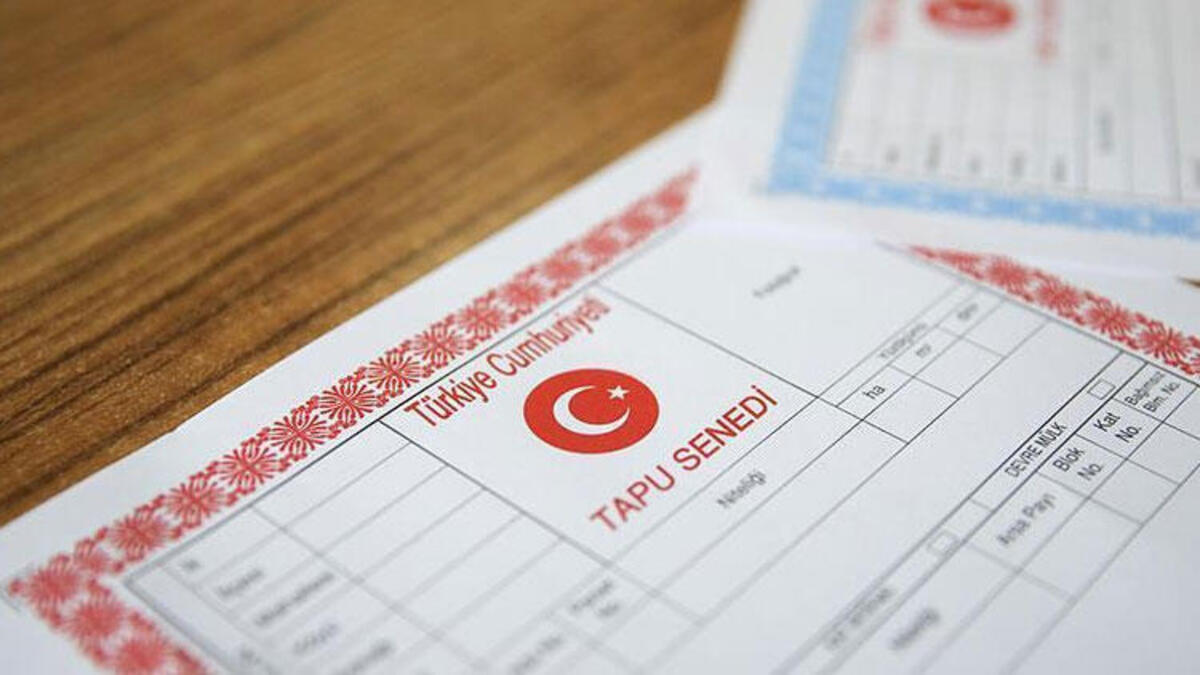
The distinction that matters to a buyer is this: the title deed and the habitation certificate answer different questions. آن tapu tells you who owns the property and what is registered against it. The iskan tells you whether the building was actually completed in accordance with its approved project and signed off as fit for use. A property can have an impeccable title deed and no habitation certificate at all — and that combination is far more common in Turkey than most foreign buyers expect.
There are two forms of it, and confusing them is a genuine trap:
- Building iskan (genel iskan) — issued for the building as a whole, confirming the completed structure complies with its approved project.
- Unit iskan (ferdi iskan) — issued for an individual apartment within a building, confirming that specific unit.
A seller may tell you truthfully that “the apartment has iskan” while the building as a whole does not, or that the building has iskan while your specific unit has never been individually certified. Both statements can be technically accurate and still leave you with a problem. Ask which one exists, and ask to see it.
Iskan at a glance
The habitation certificate in summary
What a missing habitation certificate actually costs you
It is tempting to treat iskan as paperwork — a formality the developer will get round to. It is not. A building without a habitation certificate is legally unfinished, and that status has consequences that reach into daily life and into the value of the asset.
You cannot get permanent utilities. This is the one people feel first. A property without iskan cannot be connected to permanent residential electricity, water or natural gas. What exists instead is the temporary construction connection (şantiye) that the developer arranged during building works. Construction tariffs are charged at a higher rate than residential ones, so you pay more for the same energy — indefinitely. And the arrangement is not secure: where the certificate is not obtained within the permitted period, utility providers are entitled to suspend supply.
Your ownership is a lesser form of ownership. Turkish law distinguishes between kat irtifakı (construction servitude) and kat mülkiyeti (condominium ownership). Kat irtifakı applies while a building is unfinished: your right is expressed as a share in the land (arsa payı) rather than as outright ownership of a defined apartment. Kat mülkiyeti is the finished article, where each independent unit is a separate ownership unit on the deed. The habitation certificate is among the essential conditions for converting one into the other. No iskan, no kat mülkiyeti.
Mortgage lending gets difficult. Turkish banks lend against completed, certified buildings. Where the habitation certificate is absent, financing becomes materially harder to arrange — which matters twice over, because it also restricts the pool of buyers who can purchase from you later. If you expect to finance the purchase, read our guide to getting a mortgage in Turkey as a foreign buyer alongside this one.
Short-term letting may be closed to you. Turkey’s short-term rental permit regime requires the building to be properly certified. An apartment you bought as a holiday-let investment can turn out to be an apartment you are not permitted to let on that basis. Our guide to renting out property in Turkey sets out the wider rules owners keep missing.
And resale is harder. Every one of the constraints above transfers to whoever buys from you. Informed buyers discount for it; lenders will not fund it; and the pool of people willing to take on an uncertified building is smaller than the pool who want a certified one.
How to check the iskan before you buy
Six checks, in order. None of them is expensive. All of them are cheaper than discovering the answer after completion.
Read the deed type on the tapu first
Before you ask anyone anything, look at the title deed and establish whether it records kat irtifakı or kat mülkiyeti. If it says kat irtifakı, you already know the building has not completed the occupancy process — the question is only why, and whether it is going to.
Ask which iskan exists — building, unit, or neither
Put the question in those precise terms and make the seller answer it precisely. “Yes, there is iskan” is not an answer. You want to know whether genel iskan exists for the building, whether ferdi iskan exists for your specific unit, and to see the document in each case.
Verify it against the municipality, not the seller
A certificate you have been handed is a claim; a certificate confirmed against the issuing district municipality’s records is a fact. Your lawyer does this. It also establishes that the document relates to the building and unit you are actually buying, which a photograph on a phone does not.
Compare the building as built against the approved project
Occupancy permits are refused where what was built departs from what was approved — an enclosed balcony, an extra storey, a converted roof space. If there is a discrepancy, establish whether it can be regularised and at whose cost, in writing, before you commit.
Check what the utility meters are actually on
Ask to see a recent electricity and water bill. A construction-tariff bill is direct evidence that the building is running on temporary connections, whatever anyone has told you about the paperwork. This is the single most reliable cross-check available to a buyer.
If it is missing, put it in the contract
Where you still want the property, do not proceed on a promise. Make obtaining the habitation certificate a contractual obligation of the seller or developer, with a deadline and a retained portion of the price tied to it. Compulsory earthquake insurance (DASK) must also be in place before the Land Registry will complete a transfer.
Six things the habitation certificate makes possible
Each of these is closed, restricted or more expensive without it.
Permanent utility subscriptions
Electricity, water and natural gas in your own name on residential tariffs, rather than an inherited construction connection charged at a higher rate.
Full condominium title
Conversion from kat irtifakı to kat mülkiyeti, so the deed records your apartment as an independent unit rather than a share of the underlying land.
Access to mortgage finance
Lending against a certified, completed building — both for you now and for the buyer you will eventually sell to.
Short-term rental permits
The licensing route for holiday letting depends on the building being properly certified. Without it, the investment case you bought on may not be available.
Confirmation it was built as approved
The certificate is issued only after inspection against the approved project. It is the closest thing to an official statement that the building is what it was permitted to be.
A larger pool of future buyers
Every restriction that applies to you passes to your successor. A certified building sells into the whole market; an uncertified one sells into part of it.
Kat irtifakı vs. kat mülkiyeti
The two deed types you will meet in Turkey, and what the habitation certificate has to do with the difference.
| Kat irtifakı (construction servitude) | Kat mülkiyeti (condominium ownership) | |
|---|---|---|
| Building status | Not yet completed in legal terms | Completed and signed off |
| Habitation certificate obtained | نه | بله |
| What the deed records | A share in the land (arsa payı) | Your apartment as an independent unit |
| Permanent utility subscriptions | Not available | Available |
| Utility tariff in practice | Construction tariff — charged at a higher rate | Residential tariff |
| Mortgage finance | Materially harder to arrange | Standard |
| Short-term rental licensing | Restricted | Route available |
| Can you legally own and sell it | Yes — it is real, registered ownership | بله |
| Typical price | Often lower, reflecting the risk | Reflects a completed, certified asset |
| Legal certainty | Depends on completion actually happening | Settled |
It is worth being fair about kat irtifakı: it is not a scam and it is not fake ownership. It is the normal, lawful way that off-plan and newly built property is held in Turkey between the building permit and the occupancy permit. Thousands of entirely sound transactions run through it every year, and buyers who purchase early in a development often get a better price precisely because they are accepting that intermediate status.
The mistake is not buying under kat irtifakı. The mistake is buying under kat irtifakı without realising it, or without any contractual protection covering what happens if the habitation certificate never arrives. A deed that says kat irtifakı on a building finished five years ago is telling you something quite different from the same deed on a block still under construction — the first is a warning, the second is just a stage.
If you are looking at newly built stock, our guide to reading a Turkish listing and a title deed covers what else to look for on the page, and buying land in Turkey deals with the equivalent questions for plots. Buyers pursuing an immigration outcome should note that the property still has to be a sound property: see our guide to what the “Turkey golden visa” label actually covers. The wider library of Turkey property guides covers the rest of the process, and property taxes in Turkey deals with what you pay once you own.
Not sure whether your building has iskan?
Send us the address and the title deed. We will establish which certificate exists, verify it against the municipality, and tell you plainly what is missing.
Frequently asked questions
The questions foreign buyers ask most often, answered plainly.
Have the certificate verified before you commit
Send us the property and we will establish which habitation certificate exists, confirm it against the issuing municipality, check the deed type on the tapu and tell you exactly what is outstanding. We work with licensed Turkish conveyancers, and every transaction settles through the secure payment system.